-
Course Code
SRVT-012
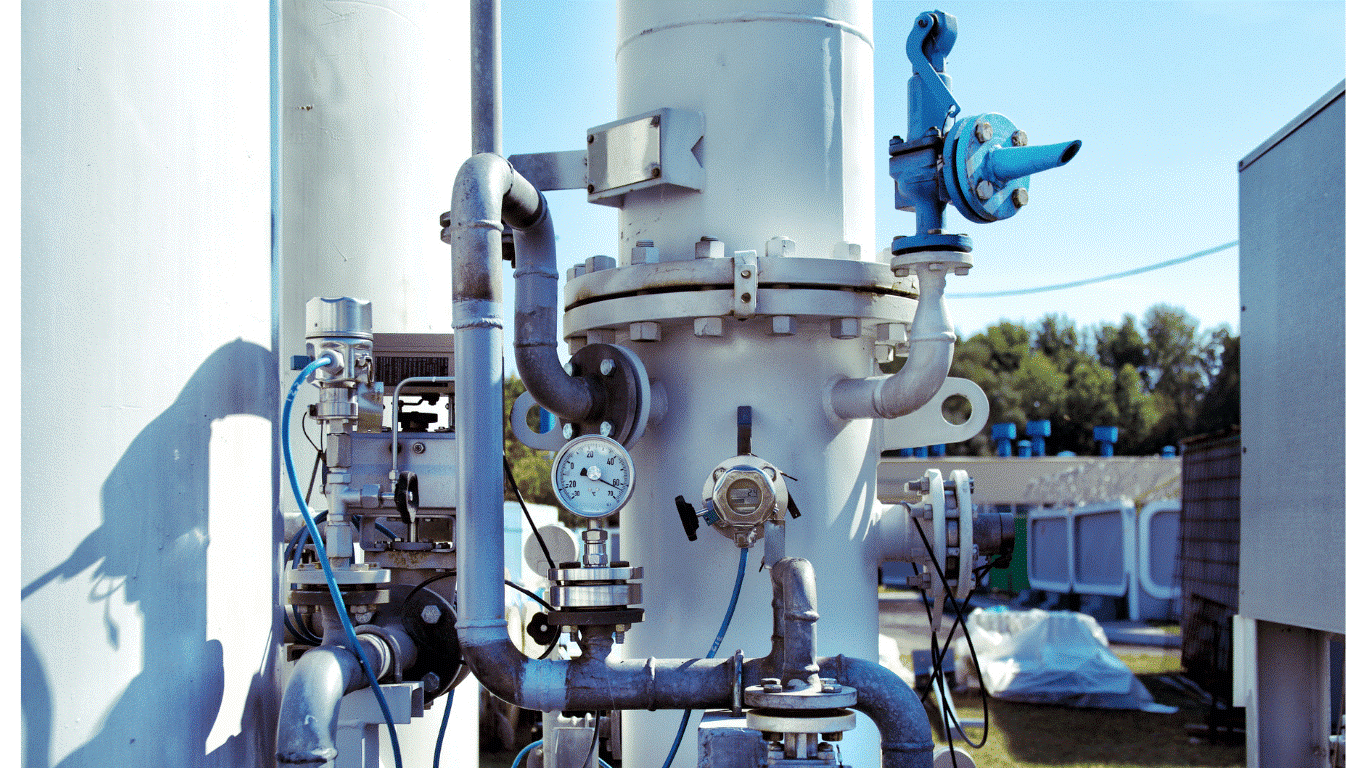
Advanced Pressure Relief Devices
- Pressure relief devices (PRDs) are critical safety components that protect boilers, pressure vessels, piping and tanks from overpressure and potential explosions or collapse. Proper design, installation, and maintenance ensure the safety and integrity of pressurized systems. Proper PRD design and application are essential for ensuring the safety and integrity of pressurized equipment.
- This course offers a comprehensive review of the current practices for designing, constructing, installing, operating, inspecting, and maintaining PRDs. Participants learn code requirements and best industry practices to prevent equipment from exceeding its maximum allowed pressures.
Learning Outcomes
- Summarize the requirements of the API 520/521 and 2000 Standards
- Explain the operation of the different relief valves and rupture disks and the limitations of each
- List the many causes of overpressure and state how to identify them
- Recall the relief flow requirements and detail how to calculate flow rates for proper sizing
- Recognize proper sizing, selection, and installation of PRDs
- Appreciate the importance and requirements of sizing documentation
- Summarize the application of good engineering judgement as it relates to the infamous “3% Rule” and relief valve stability
- Evaluate your facility’s compliance with OSHA and RAGAGEP requirements
By the end of this course, participants will be able to:
Course Contents
- Advanced Terminology
- Pressure Relief Valve (PRV) Design and Operation
- PRD Codes and Standards
- PRV Sizing and Selection: Vapor, Liquid, and Steam
- Two-Phase PRV Sizing Methods
- Installation Requirements including 3% Rule
- Relief System Design Philosophy
- Use of Isolation Valves
- Overpressure Scenarios and Determination of Relief Loads
- Rupture Disks’ Usage and Installation
- Overpressure Protection of Atmospheric Storage Tank
Our Methodology
- Make coaching and monitoring innovative and using modern
- Media training also using on the go training by using interactive means and focusing on
- The exercises, practical applications and real situations study
- Live delivery method, instructor-led training
- Experienced consultant, trainers, and professional
- Qualified trainer with high-level experience
Attendance Reports
- Send daily attendance reports to training departments
- Send full attendance report to training dep. by the end of the course
- Attend 100 % from the course days also provide daily
- Issue attendance certificate for participant who attend minimum 80% from the course duration
Pre/Post Reports
- Pre- assessment before starting training
- Post assessment after finishing training
- Full report for the difference between Pre-& Post assessment
Who Should Attend
- Federal and state regulatory personnel who oversee safety and environmental protection
- Engineers who design process systems and pressure vessels
- Process plant equipment operations personnel
- Maintenance personnel who inspect and install PRDs
- Engineers involved in plant turnaround/upgrade projects
- PRD manufacturer/technical sales representative
